Bahrain is cracking down on dissent as it struggles with the political and economic impacts of the war.
On Monday, several people were arrested on charges of spying for Iran, adding to more than 200 detained since the conflict began, according to the UK-based Bahrain Institute for Rights and Democracy. At least one man, Mohamed Almosawi, has died in custody. Rights groups said his corpse showed signs consistent with torture; the government dismissed the allegations as “misleading.”
The government is wary of protests, haunted by memories of the 2011 Arab Spring pro-democracy movement and historic enmity with Iran tracing back to the kingdom’s founding and Tehran sponsoring a failed coup in Manama in 1981.
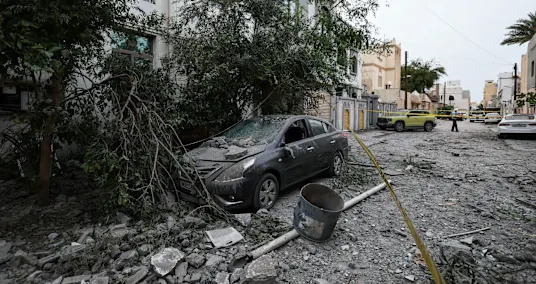
Bahrain has intercepted more than 650 Iranian missiles and drones since the start of the war on Feb. 28. Unlike its Gulf peers, the kingdom can’t afford the economic consequences: This week, Capital Intelligence Ratings lowered the country’s credit rating one notch, and expects the budget deficit to spike this year because of the cost of repairing damaged infrastructure.
LATEST POSTS
- 1
 Step by step instructions to Choose the Right Internet based Degree Program for Your Future
 - 2Want to make America healthy again? Stop fueling climate change
- 3Witness the elegance of the cosmic butterfly in a remarkable telescope photo
- 4More Than 110 New Species Discovered In Deep Waters Off Australia
- 5Manual for extravagance SUVs for seniors





- This Week In Space podcast: Episode 192 — Space, 2026!
- A Texas GOP congressman is retiring. Trump just endorsed his identical twin to replace him.
- Europe: 4 Urban communities for a Paramount Social Experience
- Heartfelt Objections to Visit with Your Adored One
- Guaranteeing Quality Medical care with Federal medical care Benefit Plans.
- 100 new alien worlds: Scientists find hidden haul in data from NASA exoplanet-hunting spacecraft
- The most effective method to Go Down Abundance through Ages with Disc Rates
- Where should we send a real 'Hail Mary' spacecraft? A new study has the answers
- Travels to Dream Objections in Europe